

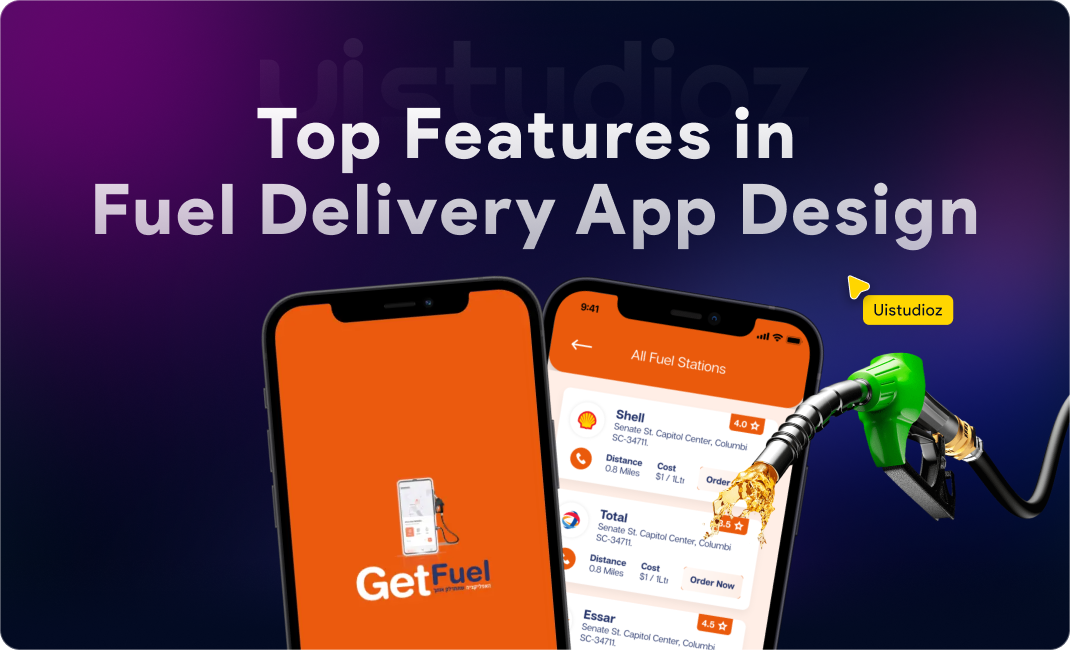
Picture this: It’s Monday morning, you’re rushing to an important meeting, and your fuel gauge flashes red. The nearest gas station has a 15-minute queue. Sound familiar? This everyday frustration is exactly why fuel delivery apps are becoming the next big thing in on-demand services.
The fuel delivery app market is experiencing explosive growth. According to recent industry reports, the on-demand fuel delivery sector is projected to reach $6.7 billion by 2027, growing at a CAGR of 18.3%. As quick commerce reshapes consumer expectations and startups like Booster, Yoshi, and WeFuel gain traction, one thing is clear: the success of any fuel delivery startup in 2026 will depend heavily on its features and user experience design.
If you’re planning to build a fuel delivery app or improve an existing one, this comprehensive guide covers every must-have feature, design principle, and competitive advantage you’ll need to succeed in 2026.
What Is a Fuel Delivery App?
A fuel delivery app is an on-demand mobile platform that brings fuel directly to customers’ vehicles—whether parked at home, office, or anywhere else. It eliminates the need to visit gas stations by connecting users with professional delivery agents who refuel vehicles on-site.
In modern fuel delivery app development, the focus goes beyond convenience—it’s about building scalable, secure, and user-friendly systems that ensure seamless operations and real-time service efficiency.
How It Works:
- Customer orders fuel through the app, selecting fuel type and quantity
- Delivery agent receives the request and travels to the customer’s location
- Admin panel manages operations, inventory, pricing, and compliance
- Payment is processed securely through integrated gateways
Real-World Use Cases:
- Individual consumers: Busy professionals, parents, elderly users
- Corporate fleets: Delivery services, taxi companies, logistics firms
- Emergency services: Roadside assistance integration
- Construction sites: Regular fuel supply for equipment
According to our mobile app design services team at Uistudioz, understanding these user personas is the first step in creating a truly user-centric fuel delivery experience.
Why Feature-Rich Design Matters in 2026
The on-demand app economy is more competitive than ever. Users now expect Amazon-level convenience across all services—and fuel delivery is no exception.
The Stakes Are Higher:
User Retention Impact: Apps with poor UX see 90% abandonment within the first week. In contrast, well-designed fuel delivery apps with intuitive features maintain 60-70% user retention after 90 days.
Operational Efficiency: Smart features like AI-based route optimization and real-time tracking can reduce operational costs by up to 30% while improving delivery times by 40%.
Revenue Growth: Apps offering advanced features like scheduled delivery, fleet management, and subscription models see 3x higher customer lifetime value compared to basic alternatives.
As we discussed in our article on UI/UX design for business growth, strategic design directly impacts your bottom line—especially in competitive markets.
Core Must-Have Features in Fuel Delivery Apps
Let’s dive deep into the essential features needed for fuel delivery startup success in 2026. These aren’t just nice-to-haves—they’re non-negotiables.
1) User Registration & Profile Management
Why It Matters: First impressions determine whether users complete onboarding. Complex registration processes cause 23% of users to abandon apps immediately.
Must-Have Elements:
- One-tap social login (Google, Apple, Facebook)
- OTP-based phone verification for security
- Saved vehicle profiles (make, model, tank capacity)
- Multiple delivery addresses (home, office, frequently visited locations)
- Payment method storage for quick checkout
- Preference settings (fuel type, delivery time slots)
Pro Tip: Implement progressive profiling—collect basic info first, then gather additional details over time. This reduces friction while building comprehensive user profiles.
2) Real-Time GPS Tracking
Real-time tracking in fuel delivery apps is arguably the most critical feature. It’s what transforms anxiety into confidence.
Core Components:
- Live delivery agent location on interactive map
- ETA calculation with dynamic updates
- Route visualization showing delivery path
- Route optimization algorithms that account for traffic, distance, and multiple stops
- Geofencing capabilities that trigger notifications when delivery is nearby
GPS integration for fuel delivery apps should use technologies like:
- Google Maps API or Mapbox for mapping
- WebSockets for real-time updates
- Background location tracking with battery optimization
According to our experience with UI/UX design services, the tracking interface should be clean, intuitive, and provide instant reassurance to anxious users waiting for their delivery.
3) Fuel Type Selection
Modern vehicles require specific fuel types, and mistakes can be costly. Your fuel delivery mobile app features must include:
Selection Options:
- Regular unleaded
- Premium/Super unleaded
- Diesel
- Biodiesel
- Specialty fuels (where applicable)
User-Friendly Design:
- Visual icons for each fuel type
- Compatibility checker (based on saved vehicle profile)
- Quantity slider or input field
- Real-time price calculation
- Tank capacity warnings to prevent overfilling
Business Consideration: Allow admin flexibility to add new fuel types as market demands evolve (EV charging credits, hydrogen, etc.).
4) Instant & Scheduled Delivery
On-demand fuel delivery app features must accommodate different user needs and scheduling preferences.
Instant Delivery Mode:
- “Deliver Now” quick-action button
- Estimated arrival time (15-45 minutes typical)
- Surge pricing notification during peak hours
- Closest available driver assignment
Scheduled Delivery:
- Calendar view for date selection
- Time slot picker (morning, afternoon, evening, or specific hours)
- Recurring order option (weekly/monthly for fleet customers)
- Advanced booking (24-48 hours ahead)
- Reminder notifications before scheduled delivery
UX Best Practice: Make instant delivery the prominent default option, with scheduling as a secondary but clearly visible choice—this caters to the immediate need while offering flexibility.
5) Secure Payment Integration
Payment gateway for fuel delivery app must be robust, diverse, and frictionless. Payment failures cause 70% cart abandonment in on-demand apps.
Essential Payment Methods:
- Credit/Debit cards (Visa, Mastercard, Amex)
- Digital wallets (Apple Pay, Google Pay, PayPal)
- UPI (crucial for Indian markets)
- Net banking
- Cash on delivery (for specific markets)
- Corporate billing (for B2B customers)
- Stored payment methods with CVV re-entry for security
Security Features:
- PCI DSS compliance
- SSL encryption
- Tokenization for card data
- Two-factor authentication for high-value transactions
- Fraud detection algorithms
Future-Proofing: Integrate cryptocurrency payment options—several fuel delivery startups are already experimenting with this for tech-savvy demographics.
6) Order History & Reordering
Fuel order tracking app features should extend beyond current orders to past transactions.
Key Elements:
- Complete transaction history with details
- Downloadable receipts/invoices
- Expense tracking dashboard (especially valuable for business users)
- One-tap reordering of previous orders
- Favorite/frequent orders saved for quick access
- Monthly/quarterly spending analytics
Business Value: This feature increases repeat purchase rate by 45% according to our project data, as it removes friction from subsequent orders.
7) Push Notifications & Alerts
In-app notifications fuel delivery keep users informed and engaged without being intrusive.
Critical Notifications:
- Order confirmation
- Driver assigned (with name and photo)
- Driver en route (with ETA)
- Delivery completed
- Payment receipt
Engagement Notifications:
- Special offers and discounts
- Loyalty rewards updates
- Scheduled delivery reminders
- Price drop alerts
- Inactive user re-engagement
Best Practice: Implement notification preferences allowing users to customize what they receive. Over-notification is a top reason for app uninstalls.
8) Safety & Compliance Features
Fuel delivery app safety features aren’t optional—they’re legal and operational necessities.
User Safety:
- Verified delivery agents with background checks
- Live delivery monitoring
- Emergency contact button
- Contactless delivery option
- Photo verification before and after delivery
Regulatory Compliance:
- Fuel quality certificates
- Proper storage and transportation licensing
- Insurance documentation
- Environmental compliance tracking
- Safety protocol adherence monitoring
Trust Building:
- Display certifications and licenses in-app
- Insurance coverage details
- Safety guidelines for customers
- Spill prevention and response protocols
Advanced Features for Competitive Edge (2026 Trends)
To stand out in 2026’s crowded market, what makes a fuel delivery app successful goes beyond basics. Here are cutting-edge features that define market leaders:
1) AI-Based Demand Prediction
Smart Technology Integration:
- Machine learning algorithms predict demand patterns
- Dynamic pricing based on demand forecasting
- Intelligent driver allocation reducing wait times by 35%
- Inventory optimization preventing stockouts
- Personalized offer recommendations
Real-World Impact: AI-powered scheduling can increase fleet utilization by 40% and reduce fuel waste from inefficient routing.
Our AI tools for UI/UX designers article explores how AI enhances design and functionality across modern apps.
2) IoT Integration
Next-Generation Features:
- Smart fuel monitoring via IoT sensors in vehicle tanks
- Automatic low-fuel alerts
- Automated reordering when fuel drops below threshold
- Vehicle diagnostics integration
- Fleet fuel consumption analytics
B2B Value Proposition: For corporate customers managing 50+ vehicles, IoT integration alone can justify premium pricing through operational savings.
3) Contactless Delivery
Post-pandemic, contactless services remain highly valued. Instant fuel delivery app functionality should include:
- Digital verification (QR code or PIN)
- No physical interaction required
- Photo documentation of delivery
- Automatic payment processing
- Digital receipt delivery
Safety + Convenience: This feature particularly appeals to health-conscious users and adds a premium positioning element.
4) Fleet Management Dashboard
Fleet management system fuel delivery is a game-changer for B2B revenue.
Essential Dashboard Features:
- Multi-vehicle management interface
- Bulk scheduling capabilities
- Consolidated billing
- Vehicle-wise fuel consumption reports
- Driver performance analytics
- Budget allocation and tracking
- Custom approval workflows for large orders
Revenue Impact: B2B customers typically generate 5-8x higher revenue per user compared to individual consumers.
5) In-App Chat & Support
Real-time assistance reduces support tickets by 60% and improves user satisfaction scores.
Support Features:
- Live chat with customer service
- Chatbot for common queries
- Direct messaging with delivery driver (location sharing, special instructions)
- Ticket system for complex issues
- FAQ and help center
- Video call support for technical issues
Implementation Tip: Integrate chatbots for tier-1 support (FAQs, order status) and escalate complex issues to human agents.
Admin Panel Features (Backend Essentials)
The fuel delivery app architecture is only as strong as its backend. An effective admin panel is crucial for operations.
Core Admin Capabilities:
User Management:
- Customer database with complete profiles
- Driver management (onboarding, verification, performance)
- Role-based access control
- User activity monitoring
Order Management:
- Real-time order dashboard
- Order assignment (manual/automatic)
- Status tracking across all orders
- Returns and refund processing
- Dispute resolution interface
Analytics & Reporting:
- Revenue dashboards
- Customer acquisition and retention metrics
- Driver performance analytics
- Peak hour analysis
- Geographic heat maps for demand
- Custom report generation
Inventory & Pricing:
- Real-time inventory tracking
- Stock alerts and reorder points
- Dynamic pricing configuration
- Promotional pricing management
- Fuel cost updates
Content Management:
- App content updates
- Notification campaign manager
- Banner and offer management
- Policy and terms updates
Financial Management:
- Payment reconciliation
- Driver payout management
- Commission tracking
- Tax calculation and reporting
A robust admin panel is the command center that determines operational efficiency and scalability.
UI/UX Best Practices for Fuel Delivery Apps
How to improve fuel delivery app UX isn’t about adding more features—it’s about making existing features effortless to use.
User-Friendly Fuel Delivery App Design Principles:
1. Minimal, Intuitive Interface
- Clean, uncluttered screens
- Maximum 3-4 key actions per screen
- Consistent navigation patterns
- Visual hierarchy guiding user attention
2. Fast Load Times
- Optimized images and assets
- Lazy loading for non-critical elements
- App size under 50MB
- Target: 2-second load time for core functions
3. Clear Calls-to-Action
- High-contrast buttons
- Action-oriented language (“Order Fuel Now” not “Continue”)
- Prominent placement of primary actions
- Disabled state clarity for unavailable options
4. Mobile-First Design
- Thumb-friendly touch targets (minimum 44×44 pixels)
- Bottom navigation for primary actions
- Single-hand operation optimization
- Responsive design across device sizes
5. Accessibility Considerations
- WCAG 2.1 AA compliance
- Screen reader compatibility
- High contrast mode
- Text scaling support
- Color-blind friendly palettes
6. Feedback & Status Visibility
- Loading states for all actions
- Success confirmations
- Error messages with clear solutions
- Progress indicators for multi-step processes
7. Personalization
- Location-based defaults
- Remembered preferences
- Personalized recommendations
- Contextual help based on usage patterns
At Uistudioz, we’ve found that apps following these fuel delivery app UI/UX best practices see 2-3x higher conversion rates from download to first order.
Common Mistakes to Avoid
Learning how to build a fuel delivery app also means understanding what NOT to do:
1. Overcomplicated UI
Mistake: Adding every possible feature to the main screen, overwhelming new users.
Solution: Progressive disclosure—show advanced features only to users who need them.
2. Lack of Real-Time Tracking
Mistake: Only showing “order confirmed” and “order delivered” statuses.
Solution: Continuous visibility throughout the delivery journey reduces support calls by 50%.
3. Weak Security Measures
Mistake: Storing payment information insecurely, weak authentication protocols.
Solution: Implement industry-standard security (SSL, tokenization, 2FA) and clearly communicate security measures to build trust.
4. Ignoring User Feedback
Mistake: Building features based on assumptions rather than user data.
Solution: Implement in-app feedback collection, conduct regular user surveys, and analyze behavior analytics.
5. Poor Scalability
Mistake: Building architecture that works for 100 users but crashes at 10,000.
Solution: Choose scalable cloud infrastructure (AWS, Azure, Google Cloud) and design microservices architecture from the start.
6. Inadequate Testing
Mistake: Launching without thorough testing across devices and scenarios.
Solution: Implement comprehensive QA including edge cases, different network conditions, and stress testing.
Cost & Development Considerations
One of the most common questions is: “cost to develop fuel delivery app?”
Factors Affecting Development Cost:
1. Feature Complexity
- Basic app (core features only): $30,000 – $50,000
- Medium complexity (core + advanced features): $50,000 – $100,000
- Enterprise-level (full-featured, custom integrations): $100,000 – $250,000+
2. Platform Choice
- iOS only: Lower initial cost
- Android only: Similar to iOS
- Both platforms: ~1.8x cost of single platform
- Cross-platform (React Native, Flutter): 30% cost savings vs native development
3. Technology Stack
- Frontend: React Native/Flutter (cross-platform) or Swift/Kotlin (native)
- Backend: Node.js, Python Django, Ruby on Rails
- Database: PostgreSQL, MongoDB
- Cloud: AWS, Google Cloud, Azure
- Real-time: WebSockets, Firebase
- Maps: Google Maps API, Mapbox
- Payment: Stripe, Razorpay, PayPal SDK
4. Team Composition
- UI/UX Designer: $40-100/hour
- Frontend Developers (2): $40-120/hour
- Backend Developers (2): $40-120/hour
- QA Engineers: $30-80/hour
- Project Manager: $50-120/hour
5. MVP vs Full-Featured Approach
MVP Strategy (Recommended for startups):
- Launch with core features in 3-4 months
- Initial investment: $30,000-$60,000
- Gather user feedback and iterate
- Add advanced features in phases
Full-Featured Approach:
- Development timeline: 6-9 months
- Higher initial investment but comprehensive solution
- Better for markets with existing competition
Ongoing Costs:
- Server and infrastructure: $500-5,000/month
- Third-party API costs: $200-1,000/month
- Maintenance and updates: 15-20% of development cost annually
- Marketing and user acquisition: Variable
For a detailed fuel delivery app development guide tailored to your budget and timeline, contact our team for a personalized consultation.
Business Benefits of a Well-Designed Fuel Delivery App
Understanding fuel delivery app business model benefits helps justify the investment:
1. Increased Customer Convenience
- 24/7 availability
- Time savings (average 30 minutes per refueling)
- Location flexibility
- Weather and traffic avoidance
2. Higher Retention & Loyalty
- Well-designed apps see 65% higher retention rates
- Subscription models create predictable revenue
- Loyalty programs increase customer lifetime value by 300%
3. Operational Efficiency
- Automated routing reduces driver time by 25%
- Digital records eliminate paperwork
- Real-time inventory management prevents waste
- Data-driven decisions improve margins
4. Scalable Business Model
Revenue Streams:
- Per-delivery charges
- Delivery fees
- Subscription plans (unlimited deliveries for monthly fee)
- Premium fuel markups
- B2B corporate contracts
- Advertising and partnerships
Fuel delivery app monetization strategies for 2026 increasingly include:
- Dynamic pricing during peak hours
- Membership tiers with exclusive benefits
- White-label solutions for fuel companies
- Data insights services for corporate clients
5. Competitive Differentiation
In markets where fuel delivery is emerging, being first-to-market with superior UX creates strong brand positioning and customer loyalty.
Future Trends in Fuel Delivery Apps
Smart fuel delivery startup ideas 2026 should account for emerging trends:
1. EV Charging Integration
As electric vehicles proliferate, forward-thinking apps are adding:
- Mobile EV charging services
- Charging station locator
- Charge scheduling
- Battery health monitoring
Market Opportunity: EV charging is projected to be a $140 billion market by 2030.
2. Autonomous Delivery
Self-driving fuel delivery vehicles are being piloted:
- Reduced labor costs
- 24/7 operation capability
- Enhanced safety protocols
- Regulatory challenges still being addressed
Timeline: Commercial pilots expected 2026-2028 in select markets.
3. Sustainability-Focused Solutions
Environmental consciousness influences purchasing:
- Carbon offset programs
- Biofuel and eco-friendly fuel options
- Transparent emissions reporting
- Sustainability scores and badges
User Preference: 67% of millennials prefer brands with strong environmental credentials.
4. Hyperlocal Expansion
Rather than trying to serve entire cities, successful 2026 strategies focus on:
- Dominating specific neighborhoods or districts
- Serving niche markets (construction sites, remote locations)
- Partnerships with local businesses
- Community-based marketing
5. Integration Ecosystems
Successful on-demand fuel delivery business plans will involve partnerships:
- Ride-sharing platforms (Uber, Lyft integration)
- Car wash and detailing services
- Automotive maintenance apps
- Insurance companies
- Corporate fleet management systems
This creates a comprehensive automotive services ecosystem with fuel delivery as the entry point.
Conclusion: Features Drive Success in Fuel Delivery Apps
The fuel delivery app market is at an inflection point. As consumer expectations evolve and technology advances, the best features for fuel delivery app in 2026 will separate industry leaders from also-rans.
Key Takeaways:
Essential features (registration, GPS tracking, secure payments, scheduling) form the foundation
Advanced features (AI prediction, IoT integration, fleet management) create competitive advantage
User experience determines whether users adopt and retain your app—make it intuitive, fast, and reliable
Safety and compliance aren’t optional—they’re trust-building necessities
Future-proofing with EV integration, sustainability, and ecosystem partnerships positions you for long-term success
The fuel delivery app requirements for 2026 are clear: combine robust technology with exceptional user experience, maintain highest safety standards, and continuously innovate based on user feedback.
Ready to Build Your Fuel Delivery App?
Whether you’re a startup with a groundbreaking idea or an established fuel company looking to go digital, the right features combined with thoughtful design create powerful, scalable platforms.
At Uistudioz, we specialize in creating user-centric mobile app experiences that drive business results. Our team has worked on numerous on-demand service applications, understanding both the technical architecture and the user psychology that makes apps successful.
Looking to build a future-ready fuel delivery app? Let’s create something powerful together.
The future of fueling is on-demand, convenient, and app-powered. Make sure your business is ready.
Frequently Asked Questions
What are the most important features in a fuel delivery app?
The essential features include user registration, real-time GPS tracking, fuel type selection, instant and scheduled delivery options, secure payment integration, order history, push notifications, and comprehensive safety features. These core elements determine user satisfaction and operational efficiency.
How much does it cost to develop a fuel delivery app?
Development costs range from $30,000 for a basic MVP to $100,000-$250,000+ for enterprise-level applications. Factors affecting cost include feature complexity, platform choice (iOS/Android/both), technology stack, team location, and whether you choose cross-platform or native development.
What makes a fuel delivery app successful?
Success factors include intuitive user experience, reliable real-time tracking, diverse payment options, strong safety protocols, responsive customer support, competitive pricing, and advanced features like AI-based scheduling and fleet management for corporate clients.
How can I improve fuel delivery app UX?
Focus on minimal interface design, fast load times, clear calls-to-action, mobile-first approach, accessibility compliance, instant feedback for user actions, and personalization. Conduct regular user testing and implement feedback-driven improvements.
What technology stack is best for fuel delivery apps?
Popular stacks include React Native or Flutter for cross-platform development, Node.js or Python for backend, PostgreSQL or MongoDB for database, AWS or Google Cloud for infrastructure, Google Maps API for location services, and Stripe or Razorpay for payments.
How do fuel delivery apps make money?
Revenue models include per-delivery charges, delivery fees, subscription plans, premium fuel markups, corporate B2B contracts, dynamic surge pricing, advertising partnerships, and white-label solutions for fuel companies.
What safety features are required in fuel delivery apps?
Critical safety features include verified delivery agents with background checks, live delivery monitoring, emergency contact buttons, contactless delivery options, photo verification, fuel quality certificates, proper licensing documentation, insurance coverage, and compliance with environmental regulations.
Should I build for iOS or Android first?
This depends on your target market demographics. Research shows fuel delivery users are often professionals (higher iOS penetration), but geographic market varies. Consider cross-platform development (React Native/Flutter) to serve both simultaneously at lower cost than separate native apps.